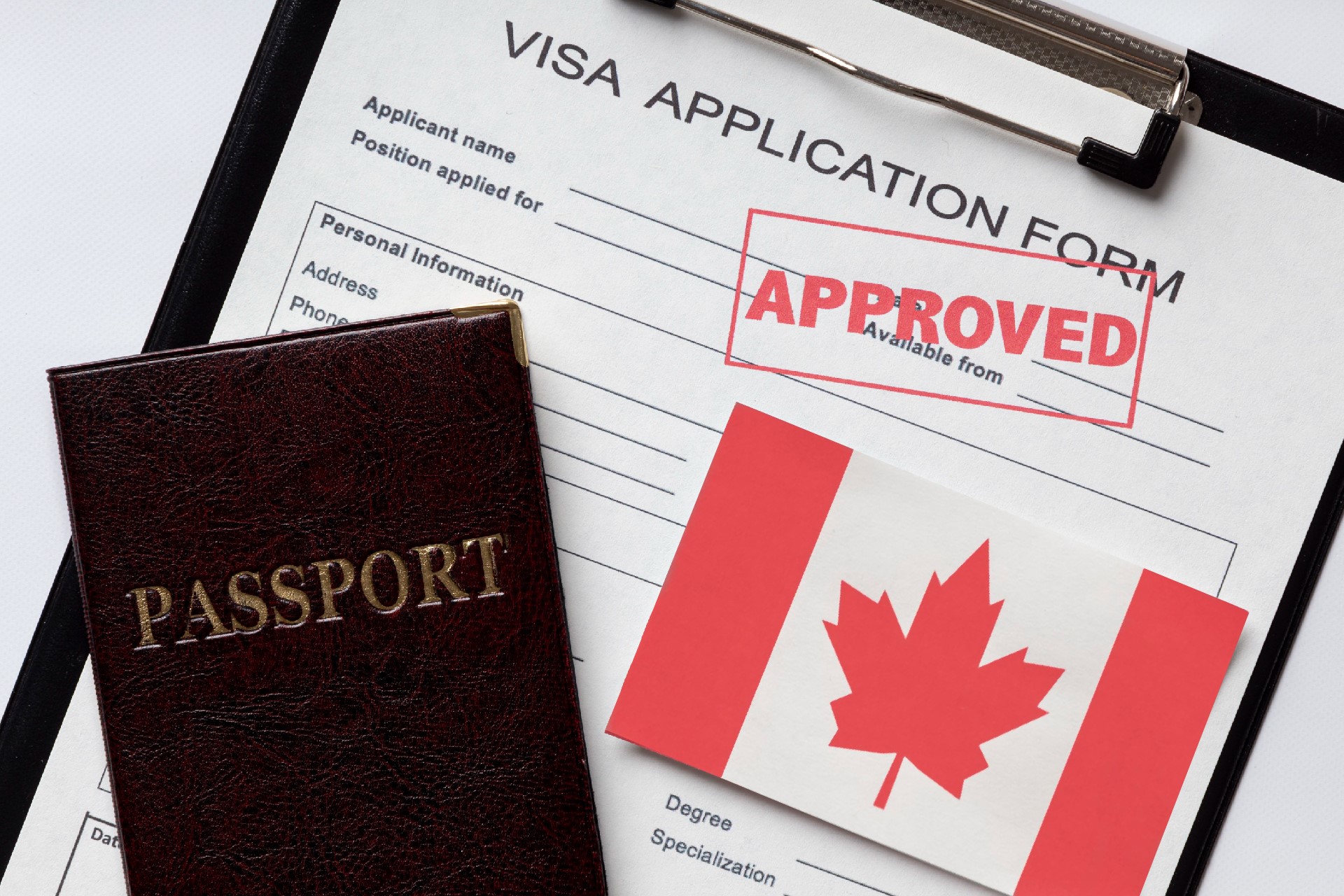
A visitor visa, also known as a tourist visa or a non-immigrant visa, is a document issued by a country's government that allows individuals to visit the country for a temporary period. The purpose of a visitor visa is typically for tourism, visiting family or friends, attending business meetings or conferences, or seeking medical treatment.
Eligibility Requirements
1. Valid Passport: Applicants must have a valid passport that will remain valid for the duration of their intended stay in Canada. It is essential to ensure that the passport has at least one blank page for a visa stamp.
2. Purpose of Visit: Applicants must clearly state the purpose of their visit to Canada. Whether it is for tourism, visiting family or friends, or engaging in business-related activities, the purpose of the visit should align with the allowed activities for a visitor visa.
3. Financial Resources:Applicants must demonstrate that they have sufficient financial resources to support themselves during their stay in Canada. This includes funds for accommodation, transportation, meals, and any other necessary expenses. Bank statements, pay stubs, or sponsorship letters can be provided as evidence of financial capability.
4. Intention to Return: Applicants must satisfy the visa officer that they have strong ties to their home country and sufficient reasons to return after their visit to Canada. This can be demonstrated through employment or educational commitments, family ties, or property ownership.
5. Health and Character Requirements: Applicants must be in good health and may be required to undergo a medical examination if deemed necessary. Additionally, they must have a clean criminal record and may be asked to provide police clearance certificates from their home country or any country they have resided in for a certain period.
6. Letter of Invitation (if applicable): If visiting family or friends in Canada, applicants may be required to provide a letter of invitation from their host. The letter should include the host's contact information, the purpose and duration of the visit, and details about the applicant's accommodation arrangements.
7. Proof of Travel History: Applicants may be asked to provide proof of their previous travel history, such as previous visas and entry/exit stamps from other countries. This helps establish the applicant's credibility and adherence to immigration rules.
How to Apply
1. Gather the required documents: Each country will have its own list of required documents for a visitor visa application. Common documents include a valid passport, completed visa application form, proof of financial means, travel itinerary, and a letter of invitation (if applicable).
2. Contact CIES to help you with the application.
3. Pay the visa fee: IRCC procedures require a fee to process a visitor visa application. The fee amount and payment methods will vary depending on the country.
4. Wait for a decision: After submitting the application, it may take several weeks to receive a decision on the visa application. The processing time can vary depending on the country and the workload of the immigration authorities.